
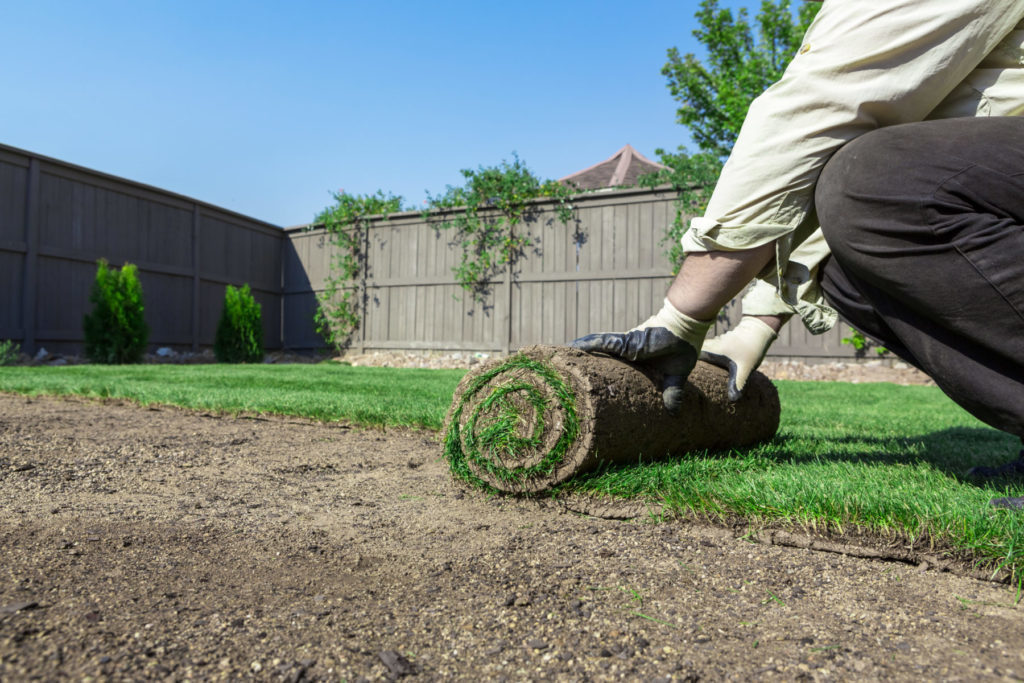
Here’s how you can effectively repair bare spots and rejuvenate your lawn.
Spring is the perfect time to address any bare spots in your lawn that have emerged over the past year. Bare spots can occur for a variety of reasons, including heavy foot traffic, poor soil conditions, or weather.
These patches are an eyesore, and they can make your lawn more vulnerable to weeds and diseases. Here’s how you can effectively repair these spots and rejuvenate your lawn.
Identify the Cause
Bare spots are areas where grass has stopped growing entirely, often showing signs of soil compaction or thatch buildup. Several common causes lead to bare spots in lawns:
- Heavy foot traffic: Frequent walking or playing in specific areas can compact the soil and damage grass roots.
- Poor drainage or drought: Water stress, either from excess or too little water, can weaken the grass, making it susceptible to bare spots.
- Pest and disease damage: Insects and fungal diseases can destroy healthy grass, leaving behind patches of damaged or dead turf.
Conduct a Soil Test
Before taking any steps to repair, perform a soil test. This will help you understand the nutrient and pH levels of your soil, allowing you to tailor your approach. You can purchase a soil test kit from your local garden center or consult with a lawn care specialist.
Prepare the Area
Clear the bare spot of any dead grass, weeds, and debris. Loosen the soil with a garden fork or tiller to a depth of 2–3 inches, which will facilitate root growth.
Amend the Soil
Based on your soil test results, add the necessary soil amendments. These could be compost or fertilizer, which will enrich the soil and support new grass growth.
Choose the Right Grass Seed
Select a grass seed that matches the rest of your lawn and is suitable for your region’s climate. Consider seeds that are specifically labeled for repairing bare spots, as these often include a mixture that establishes quickly and blends well with existing grass. Select a grass type that matches your existing lawn.
Water Regularly
Keep the soil consistently moist to encourage seed germination and plug establishment. Avoid overwatering to prevent fungal growth.
Maintain the Area
Once the grass starts to grow, keep the area lightly trafficked until it’s fully established. Mow the new grass only when it reaches the height of the surrounding lawn to avoid stressing the new shoots.
Protect Your New Grass
As your new grass takes root, consider preventative measures to protect it from the same issues. This might involve improving footpath routing to minimize traffic on the grass, adjusting your irrigation system to avoid over- or under-watering, and ongoing monitoring for pests and diseases.
Get Your Yard Ready for Spring!
Since our inception from a humble 30-acre field to over 4,500 acres of turf grasses, Quantico Creek Sod Farm is now the LARGEST SOD FARM IN THE TRI-STATE AREA. Our service areas cover Pennsylvania, Maryland, DC Delaware, Virginia and Northern North Carolina. Order early and order often to ensure the best service possible. Contact us through our online page. Please find us at 27616 Little Lane, Salisbury, Maryland 21801. Our phone number is 410-726-6103, and our fax number is 410-742-6550. Speak to Jason Anderson for Turf Grass Sales. Reach him by email at jason@quanticocreeksod.com. Finally, follow us on social media on Facebook, LinkedIn, and our blog.