This blog will cover the benefits of proper sod application and how it can improve soil stability.
Sod plays a pivotal role in enhancing soil stability and improving drainage, solving problems that affect both urban and rural landscapes. Through expert installation and innovative technologies, professional sod farms provide environmentally sustainable solutions that combat erosion and efficiently manage water. This blog will cover the benefits of proper sod application and how it can improve your soil.
Sod and Soil Health
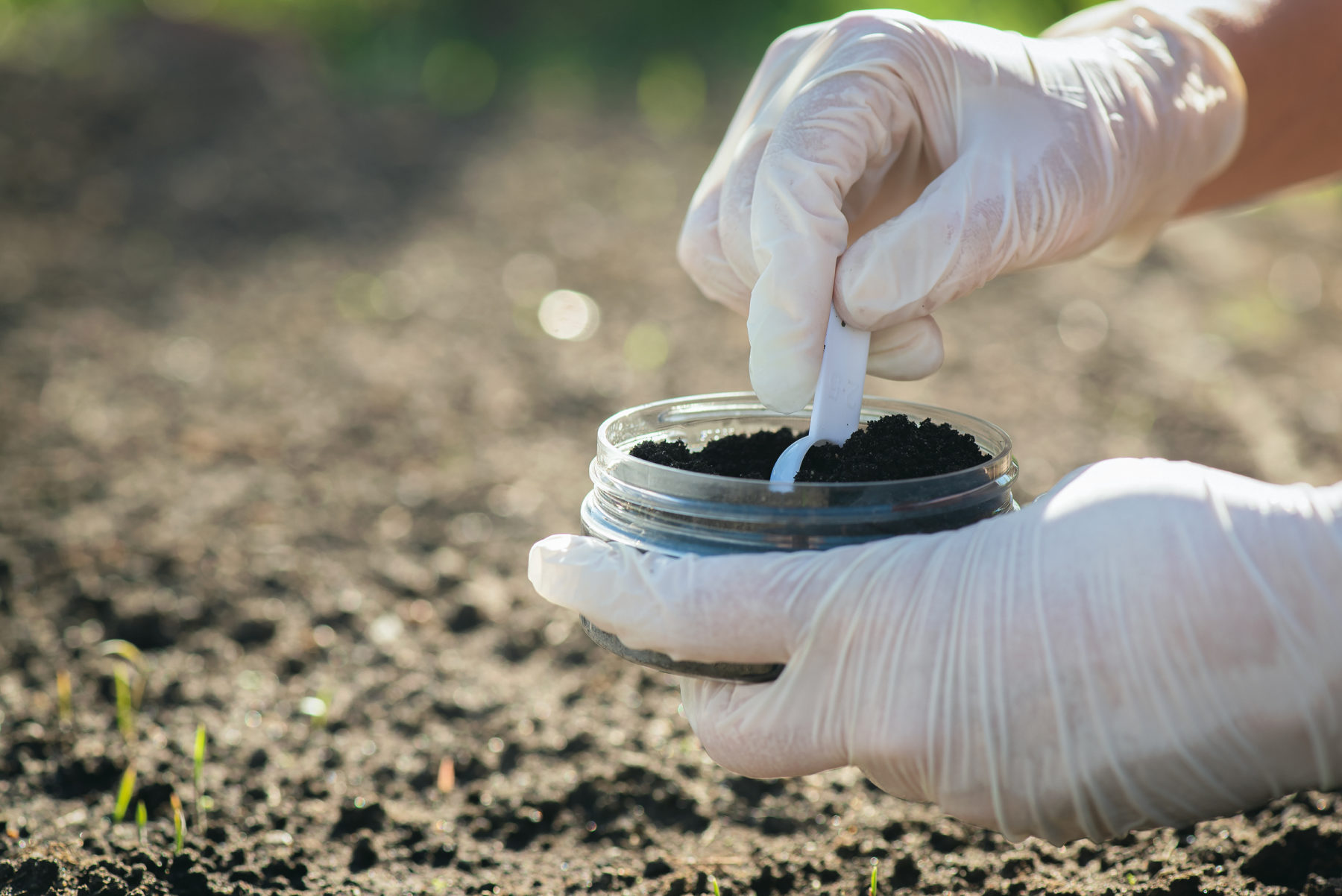
Sod provides numerous benefits to soil health, primarily through its dense mat of roots, which help anchor soil particles and reduce erosion. Root systems help retain water, promote nutrient absorption, and create a healthier agricultural ecosystem. Additionally, sod acts as an insulating layer, protecting the soil from extreme temperatures and preventing both winterkill and desiccation. These properties collectively improve the soil’s structural integrity, enhancing its capacity to support plant growth and resist environmental stressors.
Installing new sod can dramatically transform soil structure through bioturbation, where plant roots and soil organisms intermingle, creating a well-aerated, porous soil profile. This process facilitates the movement of air and water through the soil, crucial for healthy plant growth.
The Importance of Soil Stability
A stable soil structure promotes better water infiltration and aeration, essential for root development and plant growth. Soils with high clay content have poor drainage, leading to waterlogging, whereas sandy soils, being too porous, can have difficulty retaining moisture. New sod can amend these imbalances, enhancing the overall resilience of the soil structure.
Root systems are vital for stabilizing soil, as they create a binding network that holds soil particles together, reducing erosion and displacement. The density and depth of sod roots can significantly influence soil stability, as deeper roots anchor the soil more effectively. These roots also contribute organic matter, improving soil fertility and structure over time. By acting as a physical barrier, sod roots protect against wind and water.
Proper Sod Installation Improves Drainage
There are several techniques in sod laying that can significantly enhance drainage. One common method is staggered seaming, where sod rolls are laid in an offset or brick-like pattern to prevent water from accumulating in seams. Adequate watering after installation helps the sod roots penetrate deeply into the soil, ensuring a strong grip and effective drainage. Edges and corners should be tightly knitted together to eliminate any gaps that could lead to uneven drainage areas. Additionally, choosing the appropriate time of year for installation, primarily during cooler seasons, can help reduce stress on the sod, promoting better root establishment and drainage efficiency.
Sod is instrumental in reducing surface runoff due to its dense grass canopy and root network, which provides a natural barrier against water flow. The structure of sod slows water, allowing it to percolate into the soil rather than rushing over the surface, which can lead to erosion and nutrient loss.
Get Your Yard Ready for Summer!
Since our inception from a humble 30-acre field to over 4,500 acres of turf grasses, Quantico Creek Sod Farm is now the LARGEST SOD FARM IN THE TRI-STATE AREA. Our service areas cover Pennsylvania, Maryland, DC Delaware, Virginia and Northern North Carolina. Order early and order often to ensure the best service possible. Contact us through our online page. Please find us at 27616 Little Lane, Salisbury, Maryland 21801. Our phone number is 410-726-6103, and our fax number is 410-742-6550. Speak to Jason Anderson for Turf Grass Sales. Reach him by email at jason@quanticocreeksod.com. Finally, follow us on social media on Facebook, LinkedIn, and our blog!