
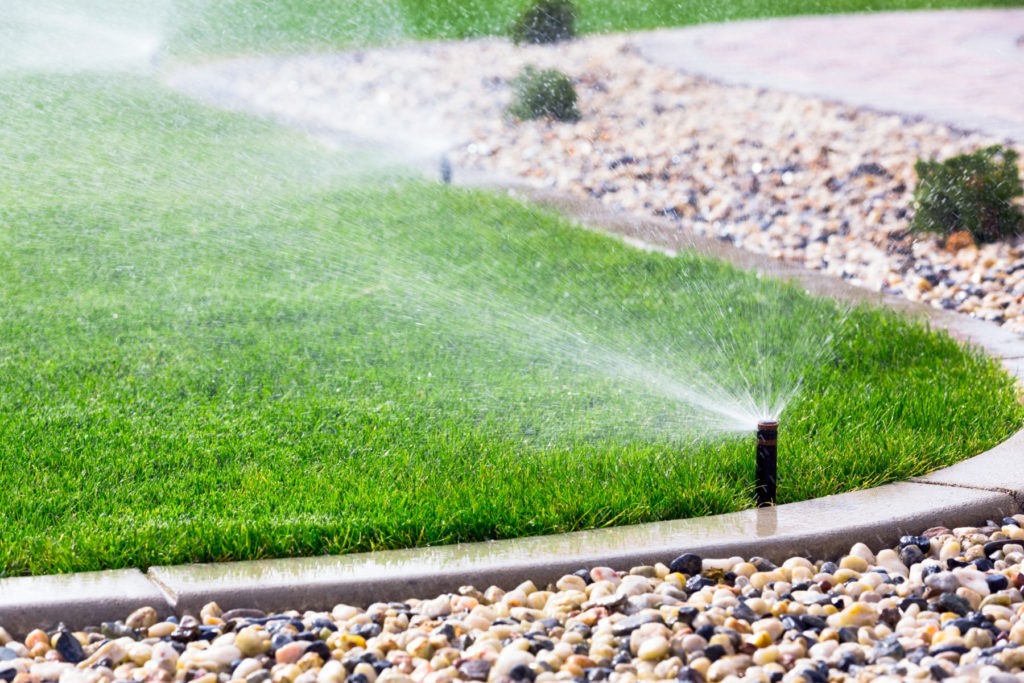
Here’s how to tell if your sod is overwatered, and how to save it before it’s too late.
Overwatering your lawn is one of the most common mistakes new homeowners make during establishment. Too much water can quickly turn that vibrant green carpet into an overwatered grass situation—soft, yellowing, and struggling to breathe. If your lawn feels soggy or you’ve seen mushrooms popping up where lush green should be, it’s time to act fast. Here’s how to tell if your sod is overwatered, and how to save it before it’s too late.
How to Tell if a Lawn Is Overwatered
The first step to fixing any lawn problem is recognizing the key signs early. When sod gets too much water, it starts showing distress in very visible ways.
Here are some telltale signs of an overwatered lawn:
- The lawn feels squishy when you walk on it: If it’s soft enough that your footprints linger or the ground gives way under your steps, the soil is holding too much water.
- Yellowing grass blades: New sod turning yellow may look like an underwatered lawn, but it’s often the opposite. The roots are drowning, not drying.
- Fungal growth or mildew: If you see mushrooms or algae forming, or notice a faint musty smell, your overly wet soil is encouraging unwanted growth.
- Short, weak, or darkened roots: When you gently lift a corner of sod and find black or mushy roots, that’s an early sign of root rot caused by poor drainage.
It’s important to remember that even though newly laid sod looks like a finished lawn, it’s still in a fragile, transitional stage. Under the surface, the grass is busy establishing roots in unfamiliar soil. It’s why it needs moisture—but also oxygen. When the soil stays soaked, there’s no room for air, and the new roots begin to suffocate.
Fixing Overwatered Sod
Here’s how to bring your lawn back to life:
Stop Watering Temporarily
Give your lawn a short break—usually one to two days, depending on weather conditions. Let the surface dry out slightly before resuming. Don’t worry; you’re not drying it out completely, just allowing it to breathe again.
Improve Drainage
Check for low spots or compacted areas where water pools after rain or irrigation. Aerate the soil to create pathways for air and water movement. In sandy soils, topdressing with sand or compost can help better regulate moisture.
Lift Corners of the Sod
Gently lift a few corners to inspect the root zone and release trapped moisture. This helps prevent root rot and fungal growth, while speeding up the drying process.
Fertilize Gently
When the lawn starts to regain its color and firmness, apply a light fertilizer. This gentle feeding provides your grass with the nutrients it needs to build stronger roots and recover from stress.
Adjust Your Watering Routine
When you resume watering, switch to a moderate, consistent schedule instead of frequent soaking. Aim to keep the soil evenly moist—not drenched—so the roots can breathe and continue to anchor in the ground. This steady balance helps your new sod stay hydrated while encouraging healthy root development.
As your sod takes root and begins to establish—usually after two to three weeks—you can start spacing out your watering sessions. This shift helps train the roots to grow downward in search of moisture, making your lawn more resilient to dry spells and easier to maintain in the long term.
Get Your Yard Ready for Winter!
Since our inception from a humble 30-acre field to over 4,500 acres of turf grasses, Quantico Creek Sod Farm is now the LARGEST SOD FARM IN THE TRI-STATE AREA. Our service areas cover Pennsylvania, Maryland, DC Delaware, Virginia and Northern North Carolina. Order early and order often to ensure the best service possible. Contact us through our online page. Please find us at 27616 Little Lane, Salisbury, Maryland 21801. Our phone number is 410-726-6103, and our fax number is 410-742-6550. Speak to Jason Anderson for Turf Grass Sales. Reach him by email at jason@quanticocreeksod.com. Finally, follow us on social media on Facebook, LinkedIn, and our blog