
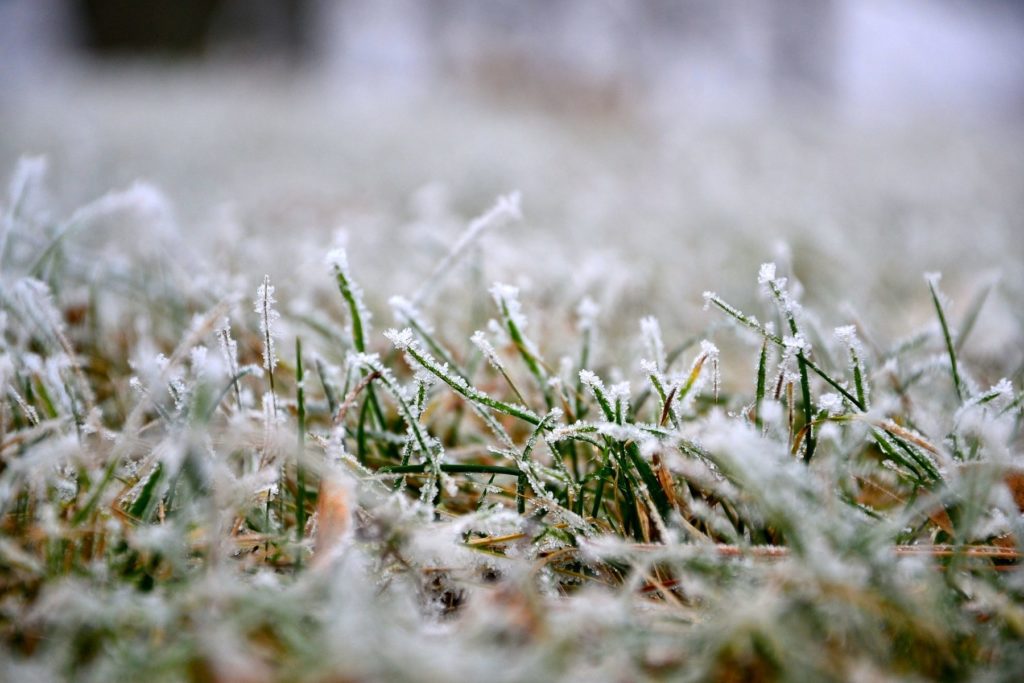
Maintaining a healthy lawn takes work — especially during the winter.
A beautiful lawn is not just for aesthetics. A healthy lawn helps to maintain air quality by creating oxygen. Your lawn is also a perfect place to escape the everyday hustle and bustle. And if you wish to sell your property in the future, having a healthy lawn will increase its curb appeal and add to the property’s value.
However, maintaining a healthy lawn takes work — especially during the winter. These tips will help you understand how cold affects the lawn and how to handle lawn care during cold months.
How Does Cold Affect Your Lawn?
For grass to grow, it needs sunlight, water, and warm temperatures. Unfortunately, winter’s cold weather halts all lawn growth. As a result, your grass becomes dormant to protect itself from extreme conditions.
During dormancy, your grass will appear brown and dead. But that’s natural, and with proper lawn care, the plants will green up again in spring. Some grass types, such as fescue, thrive in cold weather, so don’t be alarmed if your lawn looks greener than usual during winter.
Aerate Your Lawn
Aerating helps water, oxygen, and nutrients reach the grassroots. The step also alleviates compaction from foot traffic or heavy yard equipment.
Aeration is best in early fall before the first frost. But if you didn’t get around to it, you can still aerate your lawn in winter. Just be sure to do it when the ground isn’t frozen solid. To aerate, use a spade to make holes in your lawn. You may also use an aerator, which you can rent from a hardware store.
Don’t Forget to Water
Watering encourages your grass to grow deep roots, which are more drought-resistant. First, rake away any dead leaves or debris on your lawn. Then, use a garden hose to water the grass and soak the roots. Mulch the area around your plants to help retain moisture. Water sparingly in winter since the grass is dormant.
Fertilize Your Grass
Fertilizing in winter helps your lawn store the nutrients it will need for spring growth. Use a slow-release fertilizer designed for winter conditions. Apply the fertilizer when the ground isn’t frozen, and there’s no chance of snow or rain in the forecast.
Choose a nitrogen-rich fertilizer, especially if the soil is frozen. As the soil freezes, it prevents the roots from taking in nitrogen. As a result, the lawn needs more nitrogen to green up in spring.
Mow Low
Mowing low helps your grass to withstand harsh winter conditions. The step also reduces the amount of surface area exposed to extreme temperatures.
Long grass can quickly smother itself in the cold, increasing the risk of disease and exposure to thawing and freezing cycles. When mowing your lawn in winter, set the blades lower than usual. But be cautious not to cut the grass too low, as it could damage the plants.
Add New Seed or Sod
If you have patches of dead grass, now is an excellent time to seed or sod your lawn. The key is to work on the lawn when the ground isn’t frozen.
To prepare for spring, you may even spread seeds during the cold months, even if the ground is covered in snow.
Get Your Yard Ready for Winter!
Since our inception from a humble 30-acre field to over 4,500 acres of turf grasses, Quantico Creek Sod Farm is now the LARGEST SOD FARM IN THE TRI-STATE AREA. Our service areas cover Pennsylvania, Maryland, DC Delaware, Virginia and Northern North Carolina. Order early and order often to ensure the best service possible. Contact us through our online page. Please find us at 27616 Little Lane, Salisbury, Maryland 21801. Our phone number is 410-726-6103, and our fax number is 410-742-6550. Speak to Jason Anderson for Turf Grass Sales. Reach him by email at jason@quanticocreeksod.com. Finally, follow us on social media on Facebook, LinkedIn, and our blog